
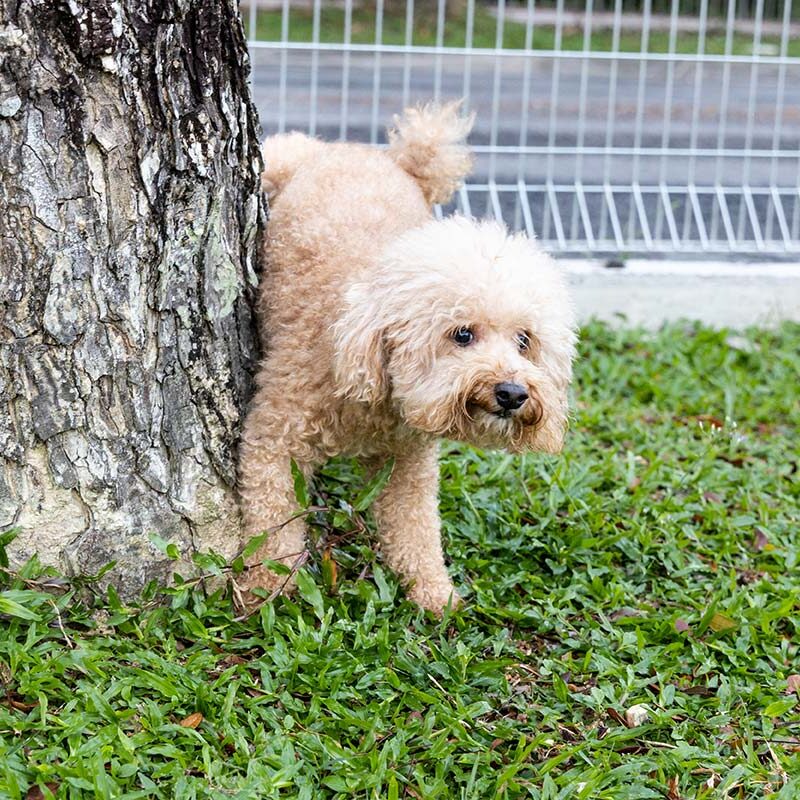
Urolithiasis, or bladder stones, in dogs refers to the formation of hard, mineralized stones within the bladder. These stones, also called cystic calculi, can range in size from tiny grains of sand to rocks. They can cause pain and irritation, potentially obstructing the flow of urine and leading to serious health complications like infections, kidney damage, or bladder rupture. Bladder stones in dogs are a common health issue, but early detection and appropriate treatment can help avoid these complications and improve your dog’s quality of life.
Recognizing Bladder Stone Symptoms in Dogs
Observing changes in your dog’s urination habits can be a crucial first step in detecting bladder stones. Possible symptoms include:
- Difficulty or straining to urinate (dysuria): Your dog may posture to urinate frequently but produce little to no urine.
- Frequent urination (pollakiuria): Your dog may need to go outside to urinate more often than usual.
- Blood in the urine (hematuria): The urine may appear pink or red.
- Inappropriate urination: Your dog may begin urinating outside of their usual designated areas.
- Lethargy or decreased activity levels: Your dog might seem generally unwell or uninterested in activities they normally enjoy.
- Increased thirst: While less specific, increased thirst can sometimes indicate urinary issues.
Causes of Bladder Stones in Dogs
Several factors can contribute to bladder stone formation:
- Urinary tract infections (UTIs): Bacterial infections can alter the urine’s pH balance, promoting crystal formation, especially struvite stones. Struvite stones are the most common type of bladder stone in dogs and are often associated with UTIs.
- Diet: Diets high in certain minerals like calcium, phosphorus, and magnesium can increase the risk of bladder stones. Additionally, the balance between calcium and oxalate in the diet plays a role in calcium oxalate stone formation.
- Low water intake: Insufficient water intake can lead to concentrated urine, making it easier for crystals to form and accumulate into stones. Encouraging increased water consumption may be beneficial for dogs with urolithiasis.
- Genetics: Some dog breeds have a genetic predisposition to developing certain types of bladder stones. For example, Dalmatians are known to be prone to urate stones due to a genetic defect in uric acid metabolism.
- Underlying medical conditions: Certain diseases, such as Cushing’s disease, can also increase the risk of bladder stone formation.
Diagnosing Bladder Stones in Dogs
If you suspect your dog has bladder stones, consult your veterinarian immediately. They can diagnose bladder stones through:
- Physical examination: Abnormalities may increase the suspicion for bladder stones.
- Radiographs (X-rays): Stones can often be seen on X-rays.
- Urinalysis: Analysis of a urine sample for crystals, blood, signs of infection, and abnormal pH levels can indicate stones.
- Ultrasound: This imaging technique can be used to visualize inflammation to the bladder, and some stones and sediment. Sometimes the stones that are not visible on X-rays can be identified on ultrasound.
Treatment Options for Canine Bladder Stones
Treatment for bladder stones depends on the type, size, and location of the stones. Possible treatments include:
- Dietary management: Specific prescription diets can help dissolve certain types of stones, particularly struvite stones. These diets alter the urine’s pH and mineral content.
- Antibiotics: If a UTI is present, antibiotics will be prescribed to eliminate the infection.
- Urohydropropulsion: This non-surgical procedure involves flushing the bladder with saline to remove small stones.
- Lithotripsy: Laser therapy can be used to break down certain larger stones into smaller pieces that can then be passed or flushed out, but it is not a common procedure.
- Cystotomy: This surgical procedure is often the most effective method for removing bladder stones, particularly those that are large, numerous, or can’t be dissolved by diet or broken down by laser. A cystotomy involves making an incision into the bladder to remove the stones. It may be required urgently if a stone is obstructing the urethra and preventing urination, which can be life-threatening. Before surgery, a veterinarian may attempt to dissolve the stones with a prescription diet and/or a course of antibiotics.
What Happens During Your Dog’s Cystotomy
Cystotomy is a relatively common and generally safe surgical procedure with a high success rate. Here’s what is involved with the procedure:
- Before surgery: Your veterinarian will conduct tests (such as bloodwork, urinalysis, ultrasound, etc.) to assess your dog’s overall health and the nature of the stones.
- Surgery: Your dog will be under general anesthesia. The veterinarian will make an incision in the abdomen, open the bladder to remove the stones, thoroughly flush the bladder, and then suture the bladder and abdominal wall closed. Another X-ray may be taken to ensure all stones have been removed.
- Recovery: Pain medication and likely antibiotics will be prescribed. Sometimes, they will need to stay in the hospital for a limited duration for monitoring.
What to Expect After Your Pet Has a Cystotomy
At-home recovery typically takes 10 to 14 days for initial healing. You will need to:
- Follow medication instructions: Administer all medications, such as pain medications and antibiotics, as directed by your veterinarian.
- Restrict activity: Limit your dog’s activity, avoiding running, jumping, and rough play for the recommended period.
- Monitor incision: Check the incision site daily for signs of infection (redness, swelling, discharge). Your veterinarian may recommend icing the incision for the first few days. It is crucial that your dog wears a recovery cone to prevent licking or bothering the incision site.
- Encourage hydration and follow dietary recommendations: Make sure your dog has access to fresh water and encourage them to drink. A veterinarian-prescribed urinary diet might be recommended to prevent future stone formation. Increasing water consumption dilutes the urine, decreasing the chance of stone formation.
- Monitor urination: It’s common for urine to be blood-tinged for a few days after surgery. If this persists or worsens, or if you notice any other signs of discomfort or trouble urinating, contact your veterinarian immediately.
- Follow-up appointments: Regular check-ups are essential to monitor healing and help prevent recurrence.
How to Prevent Bladder Stones in Dogs
Unfortunately, once a dog has had bladder stones, there is a risk they could occur again. Prevention is crucial:
- Dietary management: Continue feeding any veterinarian-prescribed therapeutic urinary diets as directed. These diets are formulated to manage the mineral content of the urine and may help prevent stone formation.
- Maintain hydration: Ensure your dog always has access to fresh water and encourage increased water intake, perhaps by feeding wet food or adding water to their kibble.
- Regular veterinary checkups: Routine visits and urine tests can help detect early signs of stone formation.
- Promptly treat UTIs: Address any urinary tract infections quickly and effectively to prevent them from contributing to stone formation.
By being aware of the symptoms, understanding the causes, and diligently following your veterinarian’s recommendations, you can help manage urolithiasis and minimize the risk of recurrence, ensuring your dog enjoys a long and healthy life.
Recent Posts
About Us
Knox Veterinary Surgery provides advanced orthopedic, soft tissue, and exotic pet surgeries right in your practice, making care easier for you and your clients. Serving Tennessee and surrounding states, we deliver skilled, compassionate care in a familiar setting.