A cholecystectomy is a major surgical procedure used to remove your pet’s gallbladder. While pets can live perfectly normal lives without a gallbladder, the surgery is often a critical, life-saving measure for various biliary diseases.
When is it Indicated?
The gallbladder stores bile produced by the liver. Surgery is typically recommended when this organ becomes diseased or obstructed, which can lead to life-threatening complications. Common reasons include:
- Gallbladder Mucocele: A condition where bile thickens into a “slug-like” mucus that cannot flow, risking a rupture.
- Gallbladder Rupture: A surgical emergency where bile leaks into the abdomen, causing severe infection (peritonitis).
- Cholecystitis: Severe or chronic inflammation and infection of the gallbladder.
- Gallstones (Cholelithiasis): Hardened deposits that block bile flow.
- Obstructions or Tumors: Blockages caused by tumors, pancreatitis, or other inflammatory diseases.
Risks and Complications
As with any major abdominal surgery, there are inherent risks. The mortality rate can be high (20–39%) if the gallbladder has already ruptured or if the pet is severely ill.
- Bile Leakage/Peritonitis: Bile is highly inflammatory; if it leaks into the abdomen during or after surgery, it can cause life-threatening infection.
- Common Bile Duct Injury: Damage or obstruction of the main duct that drains the liver can lead to jaundice and may require revision surgery.
- Postoperative Pancreatitis: Irritation of the nearby pancreas during the procedure.
- Surgical Site Issues: Bleeding, infection at the incision, or “dehiscence” (the wound opening back up).
- General Anesthesia Risks: Especially for older pets or those with existing liver/systemic illness.
Post-Operative Care
Successful recovery depends heavily on diligent care at home for at least 10–14 days.
- Strict Activity Restriction: No running, jumping, stairs, or off-leash play. Limit movement to short, supervised leash walks for bathroom breaks only.
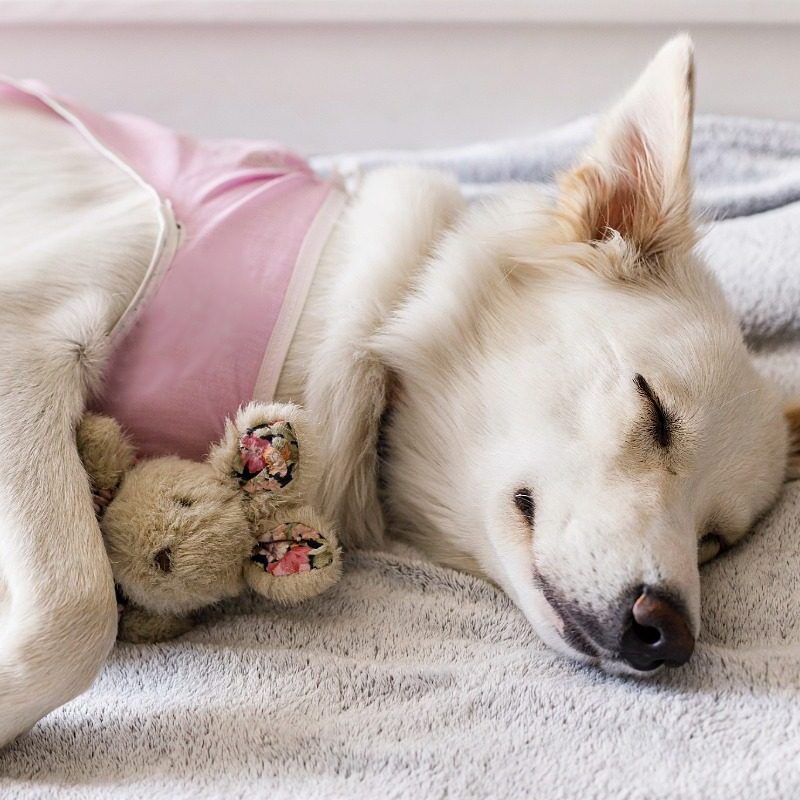
- Incision Monitoring: Check the site twice daily for redness, swelling, heat, or discharge. Your pet must wear Pet Pjs® at all times to prevent licking or chewing the sutures.
- Medication Management: Administer all prescribed pain relievers, antibiotics, and liver support medications exactly as directed.
- Diet: Offer small, frequent meals of an easily digestible, low-fat diet as recommended by your vet to support the digestive system without a gallbladder.
- Environment: Provide a quiet, warm, and stress-free recovery area away from other pets and children.
Contact your veterinarian immediately if you notice persistent vomiting, yellowing of the skin/eyes (jaundice), a refusal to eat for more than 24 hours, or extreme lethargy.
Recent Posts
About Us
Knox Veterinary Surgery provides advanced orthopedic, soft tissue, and exotic pet surgeries right in your practice, making care easier for you and your clients. Serving Tennessee and surrounding states, we deliver skilled, compassionate care in a familiar setting.