
Uncategorized
Urethral Prolapse in Dogs
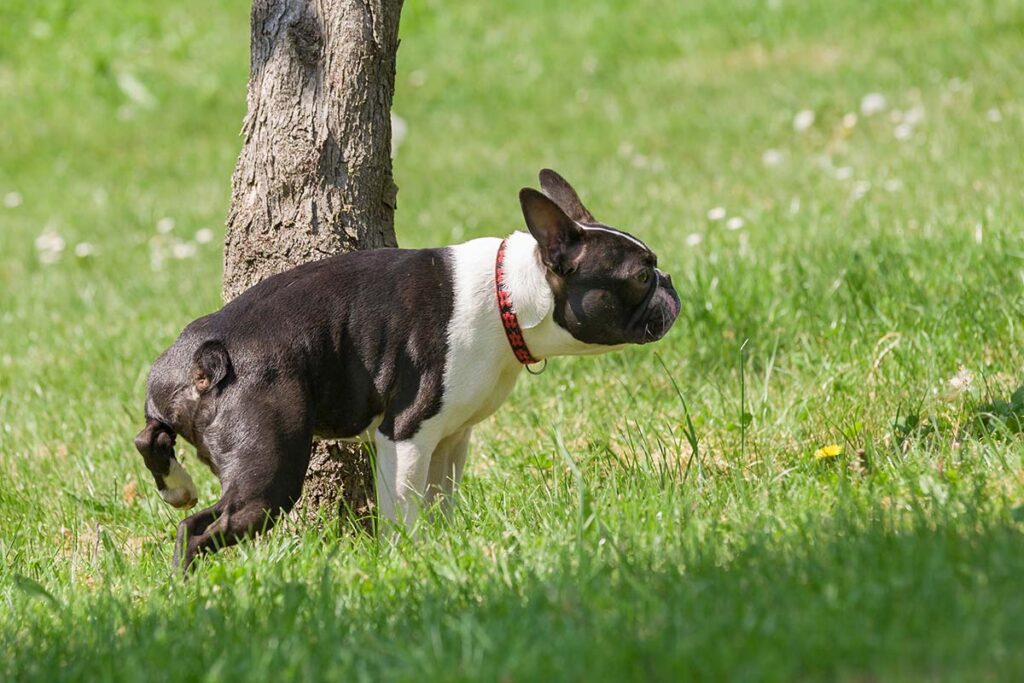
Urethral prolapse occurs when the inner lining (mucosa) of a dog’s urethra protrudes through the external urethral opening at the tip of the penis. It primarily affects young, unneutered males and is more common in brachycephalic (short-nosed) breeds such as English Bulldogs and Boston Terriers. While usually not life-threatening, it can cause discomfort and often…
Read MoreOsteochondritis Dissecans (OCD) in Dogs: A Guide for Owners
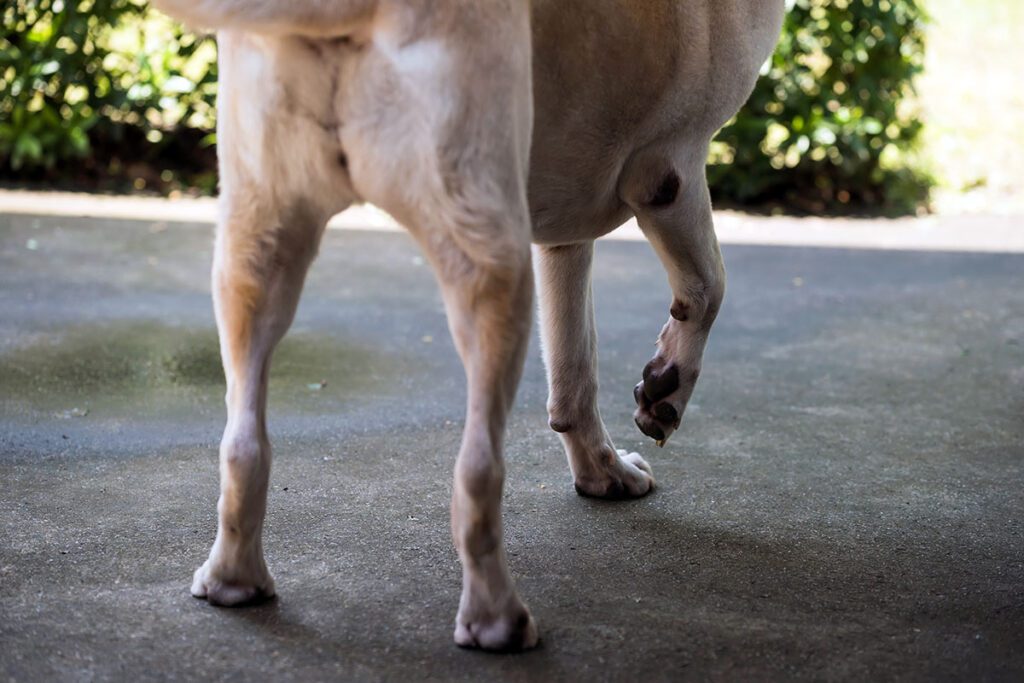
Osteochondritis dissecans (OCD) is a developmental orthopedic condition that affects the cartilage and bone within a dog’s joints. It occurs when the normal process of cartilage turning into bone during growth is disrupted. Instead of forming healthy bone, a section of thickened cartilage may fail to attach properly to the underlying bone. This can lead…
Read MoreSalter-Harris Fractures in Dogs
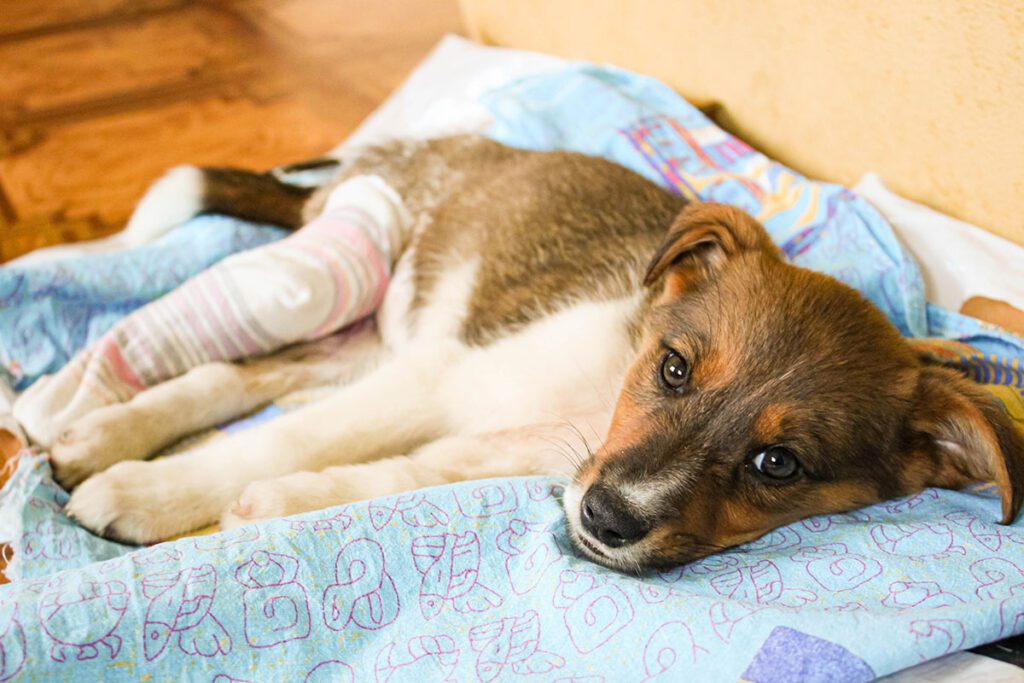
Salter-Harris fractures are injuries that involve the growth plate (physis) in young, growing dogs. The growth plate is a thin line of cartilage near the ends of bones that allows them to grow in length as the dog matures. Because the growth plate is the weakest part of the developing bone, it is more susceptible…
Read MoreBone Fractures in Dogs
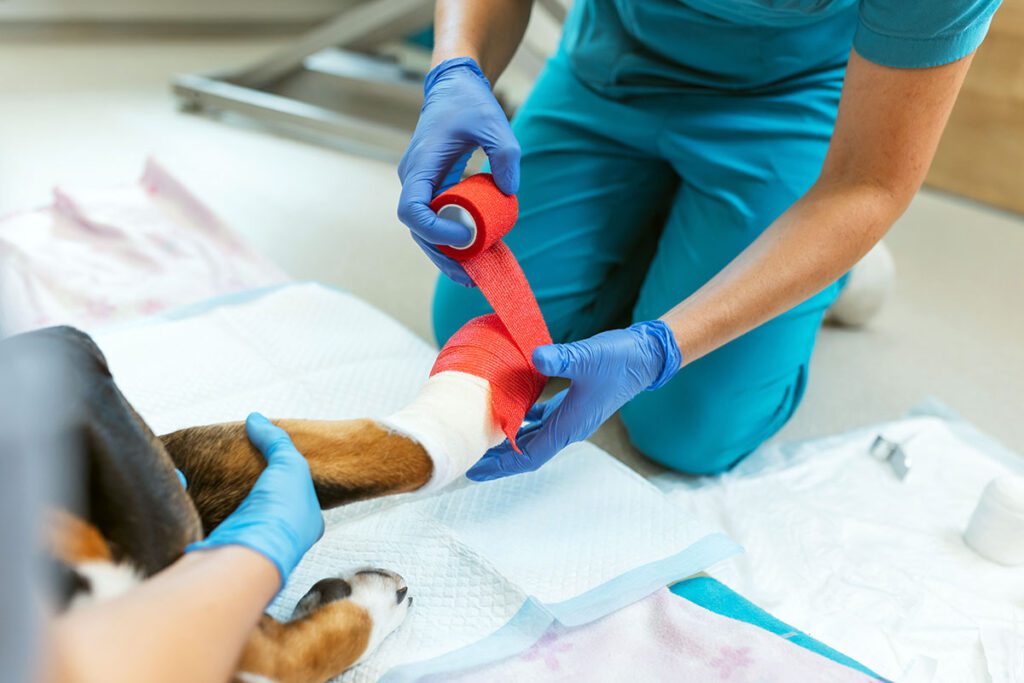
A bone fracture, or broken bone, in a dog is a serious injury that can result from trauma, falls, or, in some cases, underlying medical conditions that weaken the bone. Fractures are painful and require immediate veterinary attention. Prompt and proper treatment is essential to support healing and prevent complications. Recognizing the Signs of a…
Read MoreCanine Hip Dysplasia: A Guide for Owners
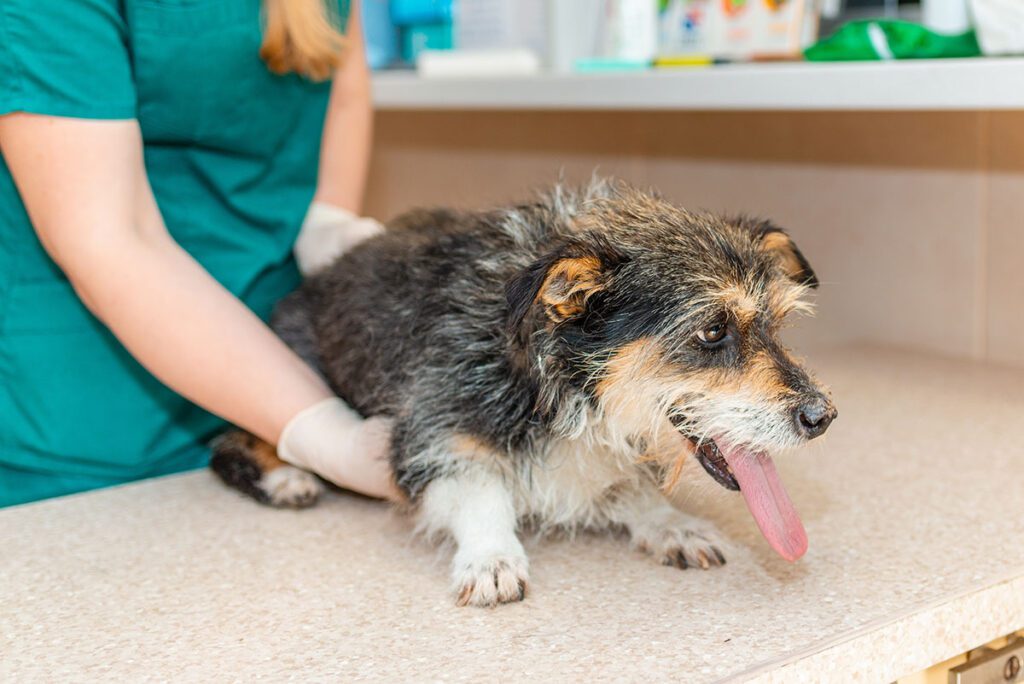
Canine hip dysplasia (CHD) is a common orthopedic condition that affects a dog’s hip joints, often leading to pain, discomfort, and mobility issues. While it is primarily a genetic condition, environmental factors also play a role in its development. Understanding Canine Hip Dysplasia In a healthy hip joint, the head of the femur (thigh bone)—the…
Read MorePatellar Luxation in Dogs

Patellar luxation, often called a dislocating kneecap, is a common orthopedic condition in dogs. It occurs when the patella (kneecap) slips out of its normal groove at the end of the femur (thigh bone). This can lead to discomfort, pain, and difficulty walking or using the affected leg. Cases range from mild, with occasional dislocations,…
Read MoreAn In-Depth Look: Cranial Cruciate Ligament (CCL) Rupture in Dogs
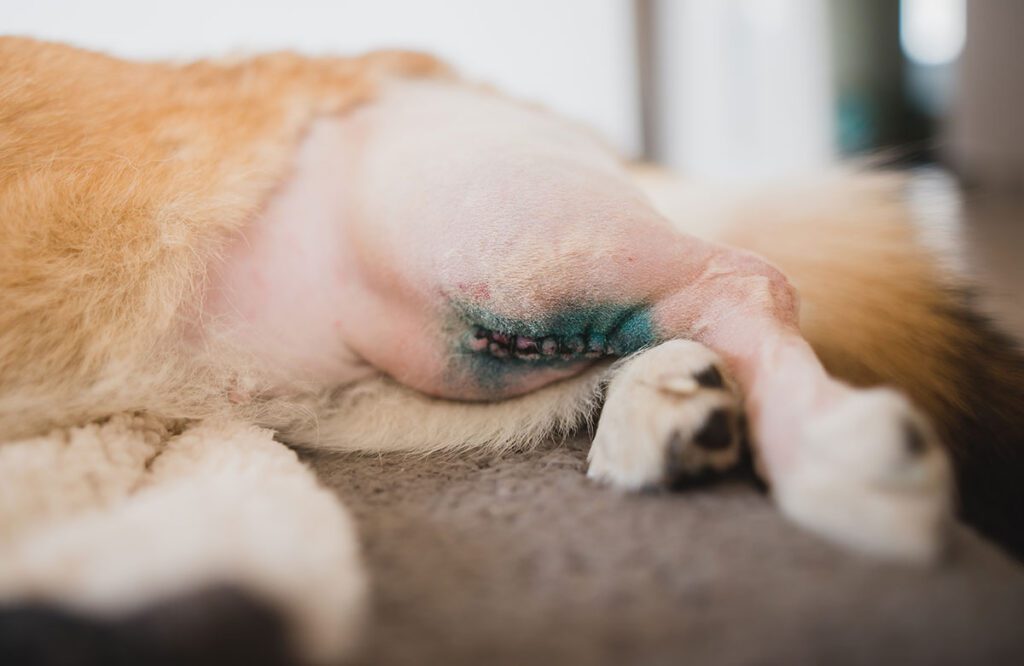
Cranial cruciate ligament (CCL) rupture, often referred to as a “torn ACL” in dogs, is one of the most common orthopedic injuries and a frequent reason pet owners seek surgical consultations. The CCL, located in the knee (stifle) joint, stabilizes the joint by connecting the femur (thigh bone) to the tibia (shin bone). A rupture…
Read MoreThe Brief on Cranial Cruciate Ligament Ruptures

A cranial cruciate ligament rupture (CCLR) is the most common orthopedic problem we see in canine patients and one of the most frequent causes of lameness (limping) in dogs. While it can happen due to trauma, CCLR is often the result of a genetic condition. This means it is not your fault—some dogs are born…
Read MoreCanine Splenectomy and Associated Diseases
A splenectomy is a surgical procedure to remove a dog’s spleen, an organ located in the abdomen near the stomach. The spleen plays various important roles, including filtering blood, storing red blood cells, and aiding in the immune response. In certain situations, however, the removal of the spleen is necessary to protect the dog’s health.…
Read MoreCanine Urolithiasis and Cystotomy: A Guide for Dog Owners
Urolithiasis, or bladder stones, in dogs refers to the formation of hard, mineralized stones within the bladder. These stones, also called cystic calculi, can range in size from tiny grains of sand to rocks. They can cause pain and irritation, potentially obstructing the flow of urine and leading to serious health complications like infections, kidney…
Read More