
Uncategorized
What is a Perineal Urethrostomy (PU)?
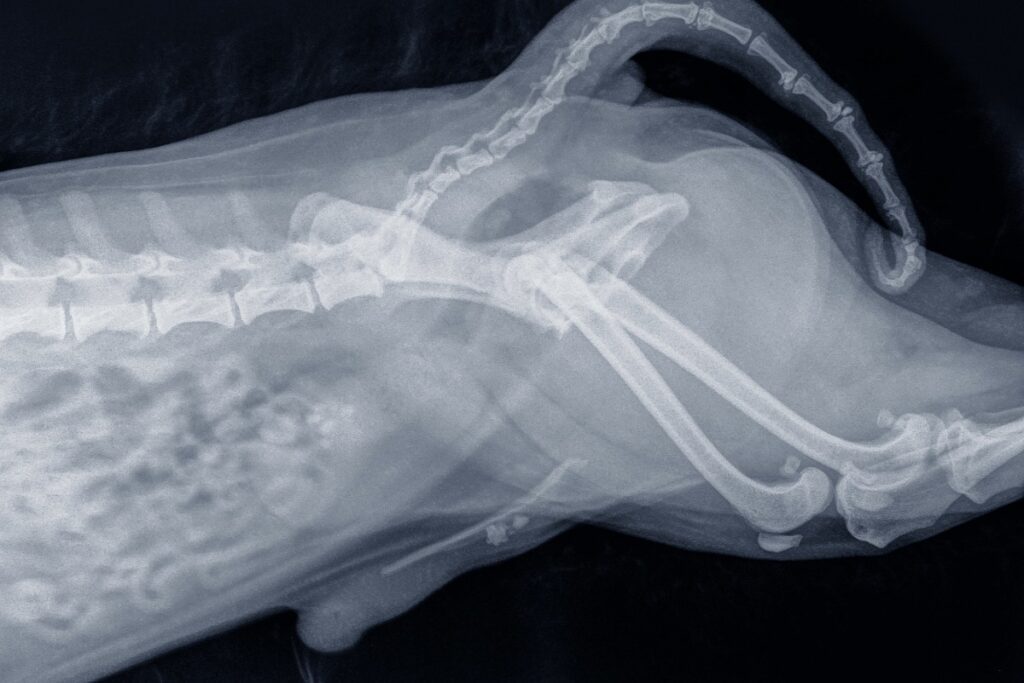
A PU is a “salvage” surgery, typically recommended when medical management cannot fix a urinary blockage or when a cat has repeated, life-threatening obstructions. Male cats have a very long, narrow urethra that narrows even further at the tip of the penis, making them prone to blockages from stones, crystals, or inflammation. A PU surgery…
Read MoreHip Dysplasia and Hip Denervation
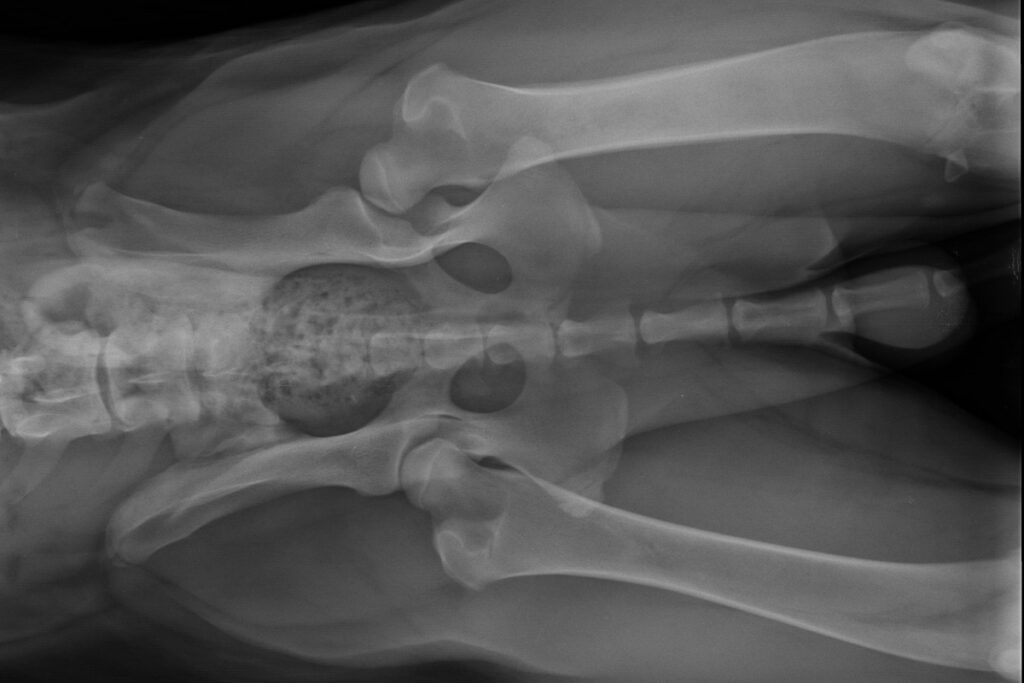
Hip dysplasia is a common condition in dogs. Many dogs are born with hips that look normal at first, but as they grow the hip joint may not fit together as tightly as it should. In simple terms, the “ball” (the top of the thigh bone) does not sit securely in the “socket” (the hip).…
Read MoreDiaphragmatic hernia
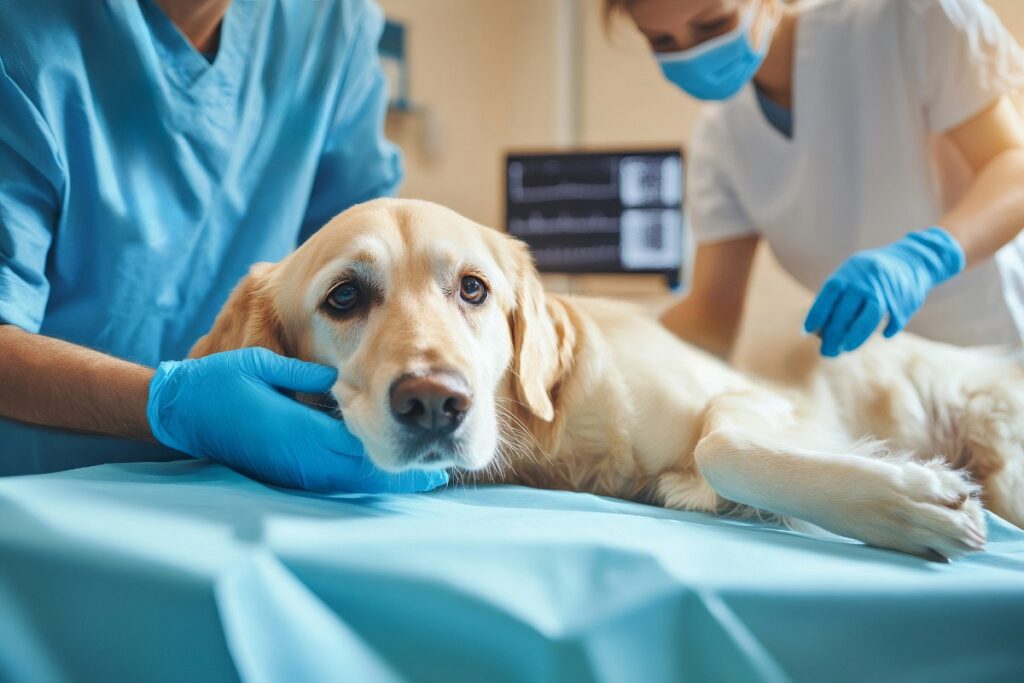
Understanding Diaphragmatic Hernia in Pets A diaphragmatic hernia occurs when there is a tear or abnormal opening in the diaphragm—the thin muscle that separates the chest (lungs and heart) from the abdomen (liver, stomach, and intestines). This opening allows abdominal organs to move into the chest cavity, where they compress the lungs and heart, often causing severe…
Read MoreCholecystectomy

A cholecystectomy is a major surgical procedure used to remove your pet’s gallbladder. While pets can live perfectly normal lives without a gallbladder, the surgery is often a critical, life-saving measure for various biliary diseases. When is it Indicated? The gallbladder stores bile produced by the liver. Surgery is typically recommended when this organ becomes diseased or…
Read MoreExploratory laparotomy
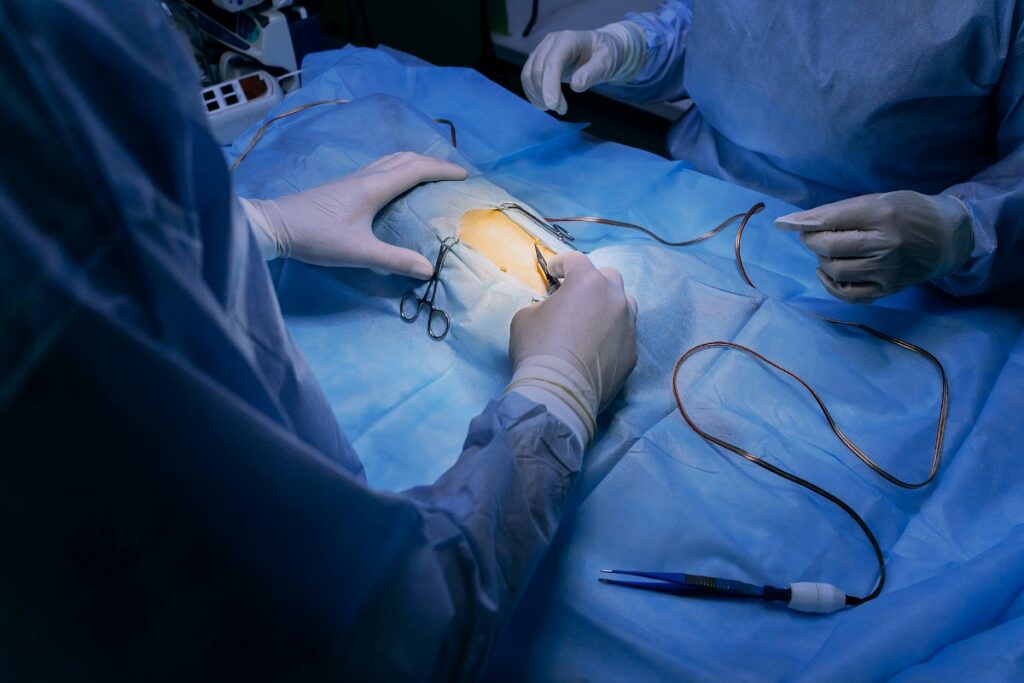
An exploratory laparotomy is a surgical procedure where a veterinarian makes an incision in the abdominal wall to directly examine the internal organs. It is often a critical diagnostic tool used when non-invasive tests like X-rays or ultrasounds do not provide clear answers. When Is It Indicated? Veterinarians typically recommend this surgery when a pet exhibits serious,…
Read MoreGastropexy

Gastropexy is a surgical procedure where a dog’s stomach is permanently attached (tacked) to the internal abdominal wall to prevent it from twisting. While it does not prevent “bloat” (the stomach filling with gas), it is nearly 100% effective in preventing the life-threatening rotation known as Gastric Dilatation-Volvulus (GDV). Indications: Why is it performed? Veterinarians primarily…
Read MoreSialoadenectomy
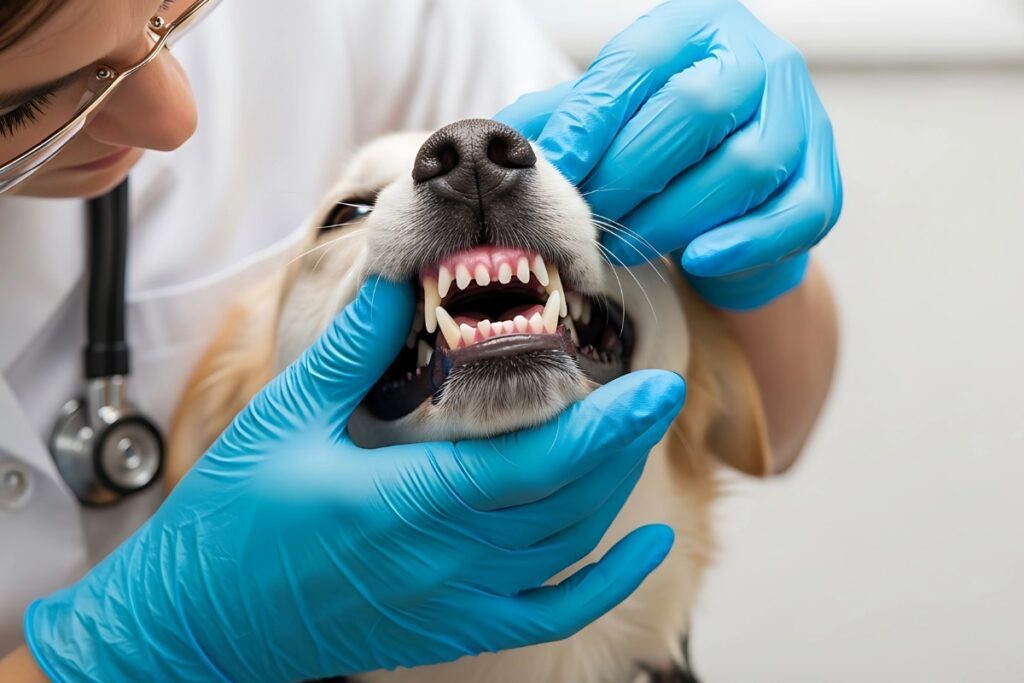
Understanding your pet’s diagnosis is the first step toward their recovery Below is an overview of what a sialocele is, the surgical treatment used to fix it, and how to care for your pet afterward. What is a Sialocele? A sialocele (also known as a salivary mucocele) is a pocket of saliva that has leaked from a…
Read MoreAnal sacculectomy
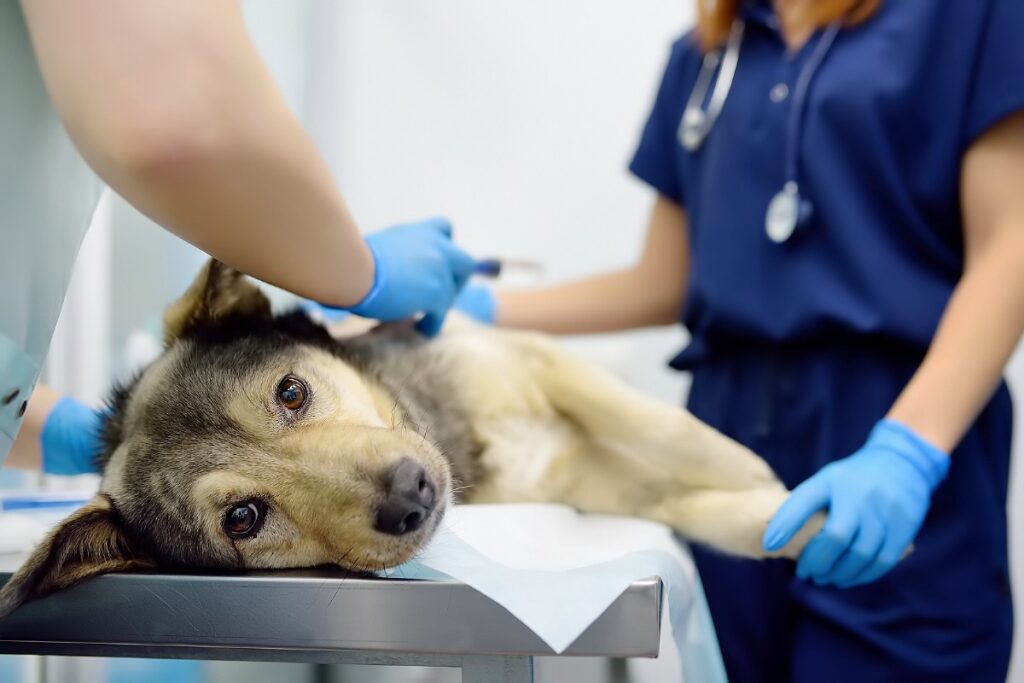
Understanding Anal Sacculectomy for Your Pet An anal sacculectomy is the surgical removal of one or both anal sacs (anal glands). These small glands, located on either side of the anus, produce a scent-carrying fluid pets use to mark territory. While they are naturally expressed during bowel movements, they can become a source of chronic pain and…
Read MoreThyroidectomy
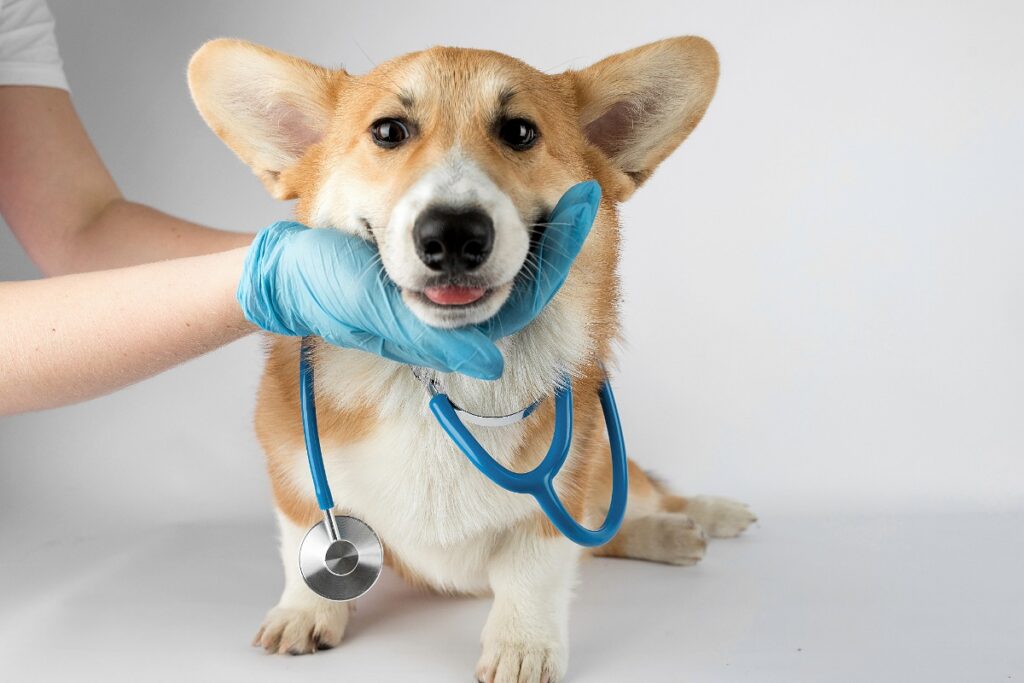
A thyroidectomy is the surgical removal of one or both thyroid glands located in the neck. While the procedure is similar for both cats and dogs, the underlying reasons for surgery and the typical outcomes differ significantly between the two species. When is it Necessary? In Cats: The primary indication is hyperthyroidism, usually caused by benign (non-cancerous) growths called…
Read MoreTotal Ear Canal Ablation (TECA)
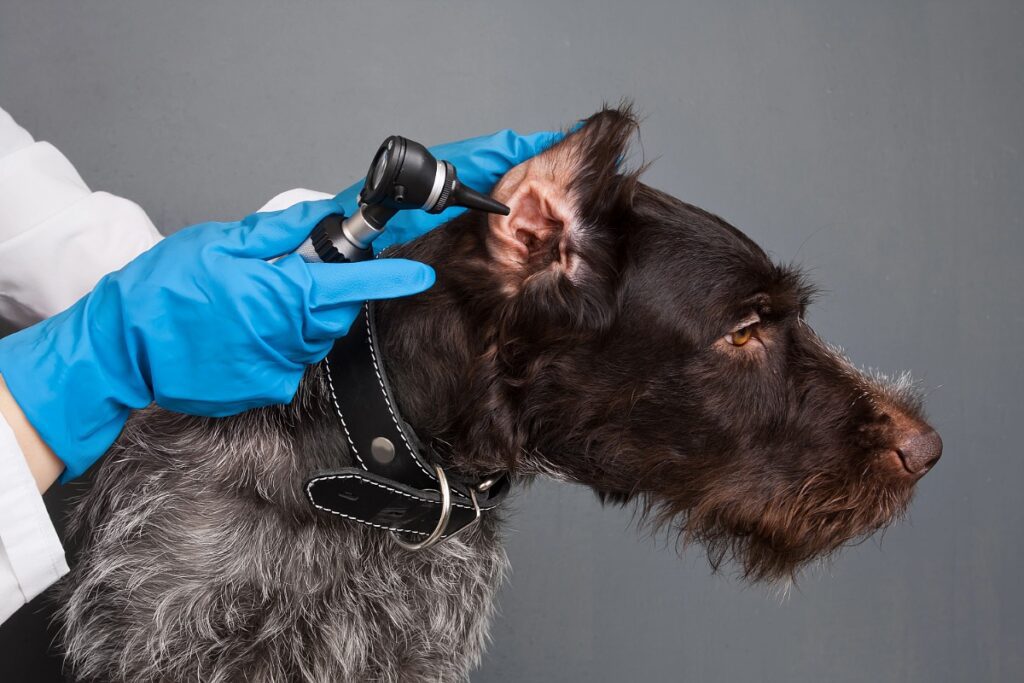
Total Ear Canal Ablation (TECA) is a major surgical procedure where the entire ear canal is removed to resolve severe, irreversible ear disease. It is often performed alongside a Lateral Bulla Osteotomy (LBO), which involves opening and cleaning the middle ear (the bulla) to remove trapped infection and debris. Indications for Surgery Veterinarians typically recommend TECA only…
Read More