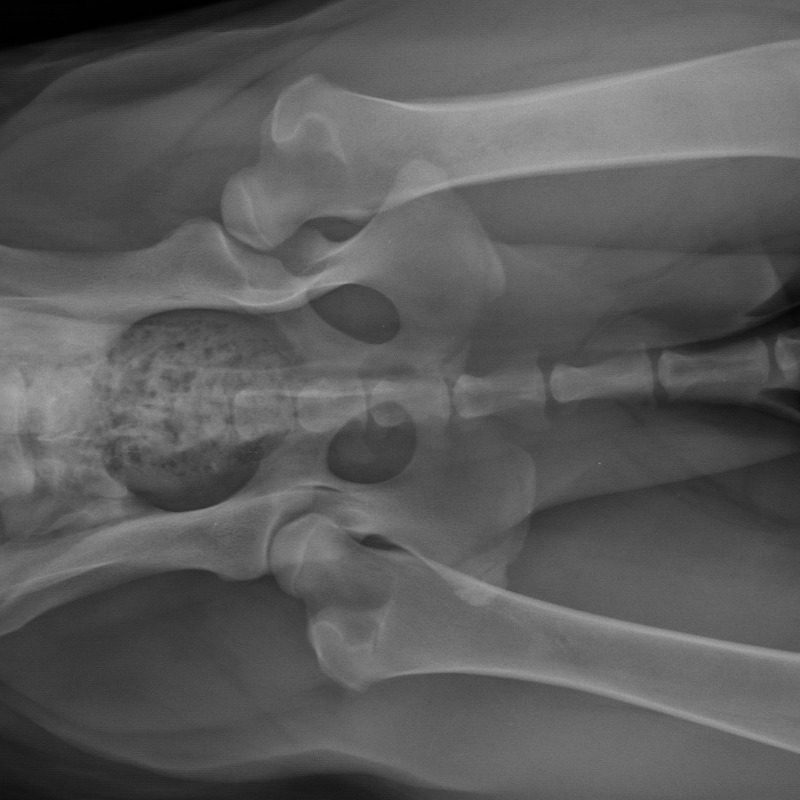
Hip dysplasia is a common condition in dogs. Many dogs are born with hips that look normal at first, but as they grow the hip joint may not fit together as tightly as it should. In simple terms, the “ball” (the top of the thigh bone) does not sit securely in the “socket” (the hip). Over time, this looseness can lead to rubbing within the joint, inflammation, arthritis, and pain—often causing stiffness, difficulty getting up, or reluctance to exercise.
Hip denervation is a minimally invasive surgical option designed to reduce pain from hip dysplasia. It is performed through a small incision (about 2–3 inches) on the side of the hip and, when needed, both hips can be treated during the same procedure. During surgery, tiny sensory nerves around the joint are carefully disrupted so they can no longer transmit pain signals—working like a long-lasting “local numbness” in that area.
It’s important to know that denervation does not correct the underlying hip anatomy or stop arthritis from progressing. The goal is comfort: when pain is reduced, many dogs move more willingly, rebuild muscle, and can become more stable through better use of the limb—often leading to a noticeably improved quality of life.
As with any surgery, there are risks. In a worst-case scenario, there could be injury to the sciatic nerve (a major nerve in the hind limb), which may cause temporary or, rarely, permanent weakness or paralysis. This complication is considered very uncommon, but it is important for owners to be aware of it. More common post-surgical issues can include fluid buildup under the skin (seroma), the incision opening (suture dehiscence), or a local infection—most of which are treatable when addressed early.
Aftercare is usually straightforward. Most dogs need about 10–14 days of reduced activity (short leash walks only, no running/jumping) while the incision heals. Prevent licking or chewing at the site—an e-collar or a recovery suit (pet pajamas) can help. Once the incision is fully healed, your dog can gradually return to normal activity as advised by your veterinarian. Many owners notice improvement within days, with continued progress over the first 2–4 weeks.
Recent Posts
About Us
Knox Veterinary Surgery provides advanced orthopedic, soft tissue, and exotic pet surgeries right in your practice, making care easier for you and your clients. Serving Tennessee and surrounding states, we deliver skilled, compassionate care in a familiar setting.