
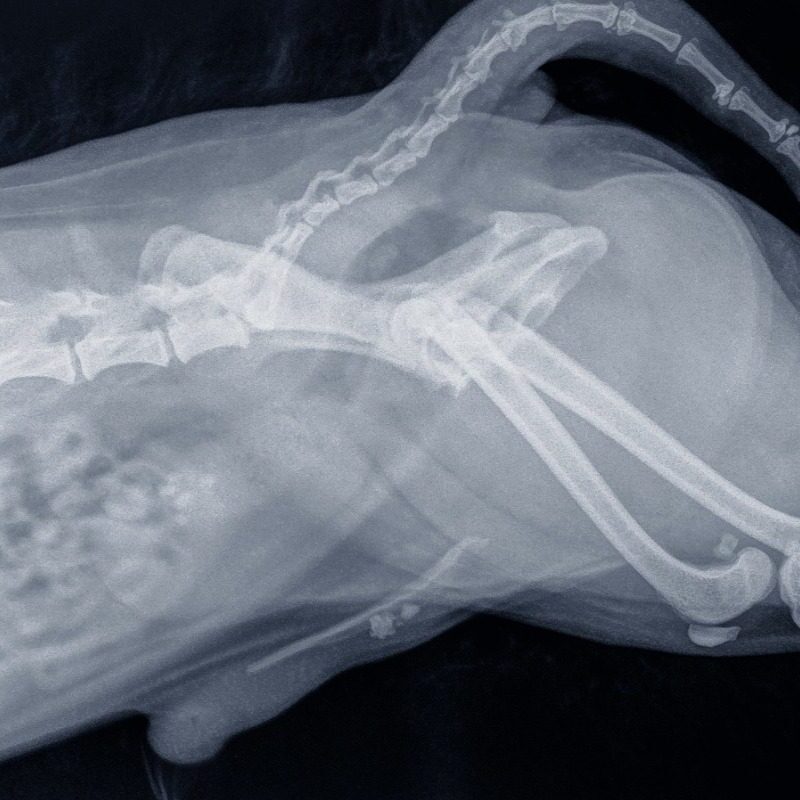
A PU is a “salvage” surgery, typically recommended when medical management cannot fix a urinary blockage or when a cat has repeated, life-threatening obstructions.
Male cats have a very long, narrow urethra that narrows even further at the tip of the penis, making them prone to blockages from stones, crystals, or inflammation. A PU surgery removes the penis and the narrow part of the urethra, creating a new, wider opening closer to the bladder.
- Goal: To prevent future life-threatening re-blockages.
- Result: The cat’s anatomy will look more like a female cat, allowing them to pass small debris or crystals rather than becoming blocked.
The Surgery
- Pre-surgical Stabilization: If your cat is currently blocked, they will be stabilized with IV fluids to correct dehydration and electrolytes before surgery.
- General Anesthesia: Your cat will be under general anesthesia, and the surgery usually takes 1-2 hours.
- Procedure: The surgeon amputates the penis and sutures the wider, deeper part of the urethra to the skin.
- Hospitalization: Most cats stay in the hospital for 1–3 days to monitor their ability to urinate and to manage pain.
Potential Complications
While the surgery is generally successful, complications can occur:
- Stricture (Narrowing): This is the most serious complication, where scar tissue causes the new opening to narrow (often caused by self-trauma/licking).
- Urinary Tract Infections (UTIs): Because the urethra is shorter and wider, bacteria can enter the bladder more easily. UTIs can happen in up to 25% of cases.
- Hemorrhage/Swelling: Minor bleeding and swelling are common, but severe cases require attention.
- Incontinence: Rarely, a cat may experience temporary or permanent urine leakage.
- Dehiscence: The sutures may break down if the cat licks the site.
Post-Operative Care (2-3 Weeks)
Proper aftercare is critical for a successful outcome.
- ELIZABETHAN COLLAR (E-COLLAR): Your cat must wear an e-collar 24/7 for 14-21 days. If your cat licks the stitches, it can cause the site to break down, resulting in stricture and necessary re-surgery.
- Strict Activity Restriction: Keep your cat in a small, quiet, confined area (like a large dog crate or small room) to prevent jumping or running.
- Litterbox Modification: Use non-clumping, pelleted paper litter (e.g., Yesterday’s News) or shredded paper to avoid dust and debris getting into the healing incision.
- Incision Monitoring: Check the surgical site twice daily for excessive swelling, bleeding, or discharge.
- Medications: Administer all prescribed antibiotics and pain medications as directed.
When to Call the Veterinarian
It is normal for your cat to have small amounts of blood in the urine, to dribble urine, or to go to the litter box frequently for the first 3-5 days. However, you must call your vet immediately if you notice:
- Your cat is straining, crying, or pushing, but no urine is passing for over 4-6 hours.
- The incision is bleeding profusely or has opened up (dehiscence).
- Your cat is vomiting or severely lethargic.
Long-Term Outlook
Most cats have a good to excellent quality of life after a PU. However, a PU does not cure the underlying inflammation (FIC). A special urinary diet and managing stress are often needed long-term to prevent further issues.
Recent Posts
About Us
Knox Veterinary Surgery provides advanced orthopedic, soft tissue, and exotic pet surgeries right in your practice, making care easier for you and your clients. Serving Tennessee and surrounding states, we deliver skilled, compassionate care in a familiar setting.